Your first safari
Discover the wider picture
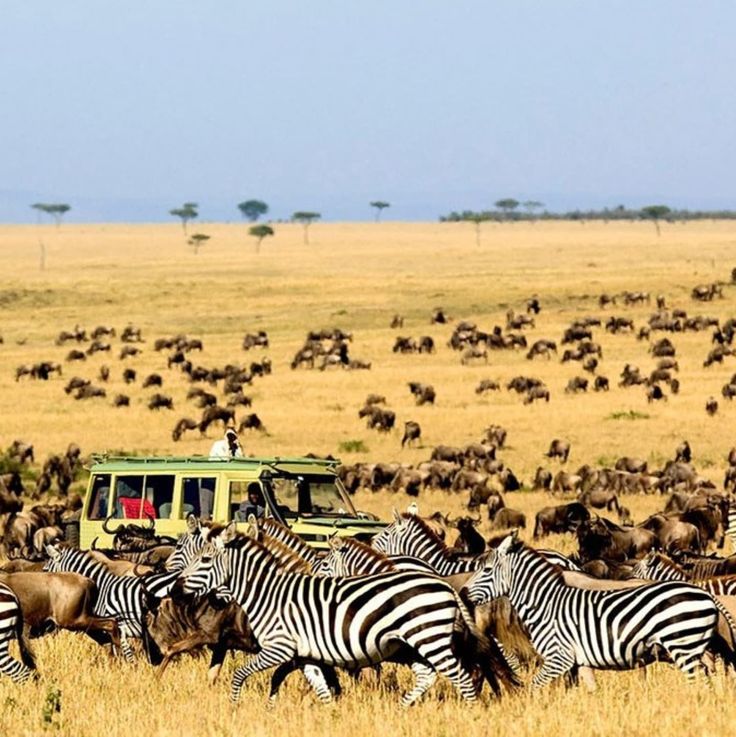
Allow time for varied game drives, questions with your guide and the simple pleasure of being in the landscape. Keep an open mind about the encounters each day may bring.
Wildlife & experiences
Let us help you create an unforgettable Tanzania experience.
Plan Your Trip
Discover Tanzania with Genau Guides
The horizon draws you in. The moments make you stay.
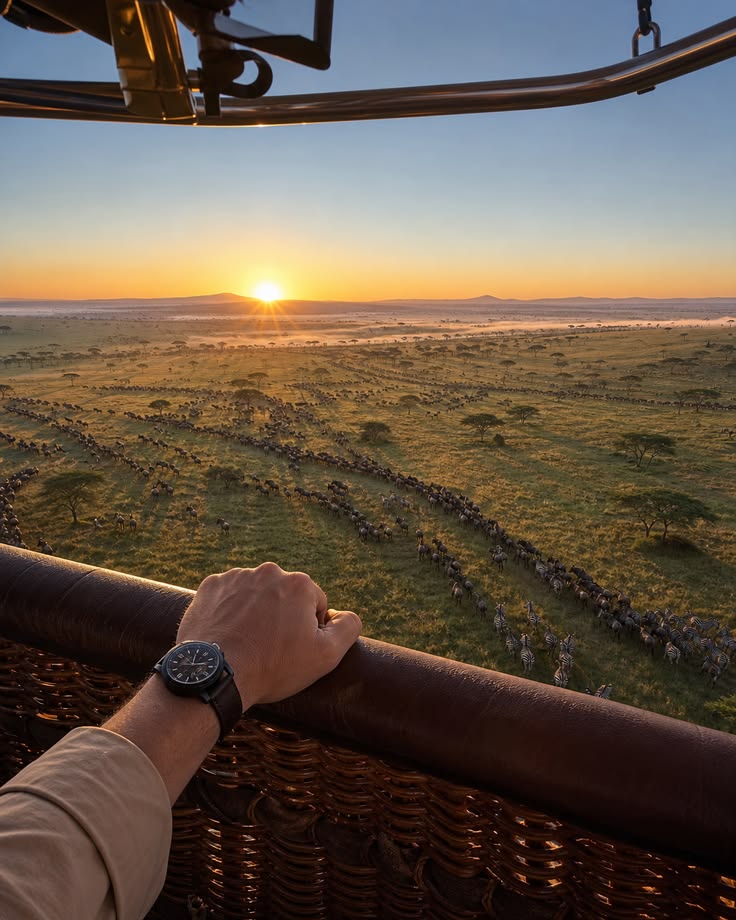
A distant herd becomes a thousand moving shapes. A quiet game drive turns into an encounter you’ll remember for years. Discover the Serengeti through its wildlife, changing landscapes and the time you choose to spend exploring.
Your dates, interests and preferred pace help shape the journey.
Find your starting point
Meet the Serengeti
The first impression is space. Then your eyes adjust: movement in the grass, a shape beneath an acacia, a line of animals stretching towards the horizon.
A Serengeti safari invites you to slow down and notice how the landscape fits together. Game drives become opportunities to observe behaviour, ask questions and spend time with an encounter rather than simply move on to the next.
The Great Migration may be what first draws you here, but your experience can reach much further. Where you stay, when you travel and how many nights you allow all help shape the Serengeti you discover.
Explore Serengeti journeys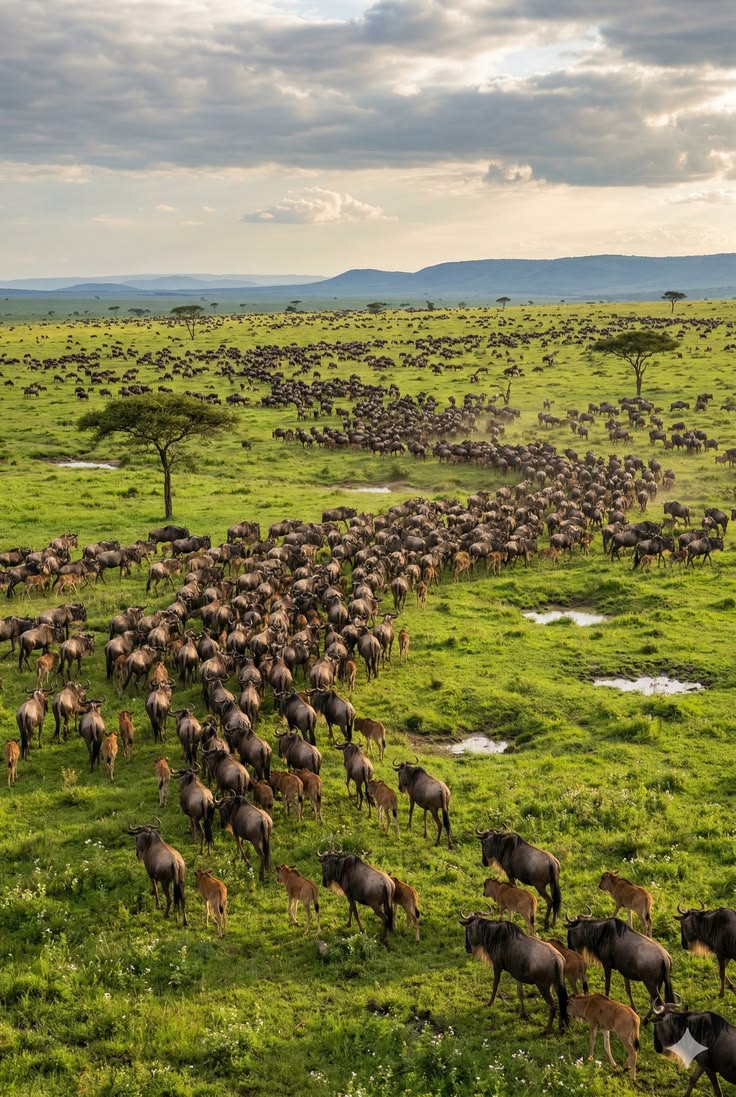 Serengeti National Park · Tanzania
Leave room for the unexpected
Sometimes the most memorable part of a safari is the moment you hadn’t thought to ask for.
What kind of Serengeti experience?
Begin with what matters to you.Your first safari
Allow time for varied game drives, questions with your guide and the simple pleasure of being in the landscape. Keep an open mind about the encounters each day may bring.
Wildlife & experiencesA migration interest
Start with your travel period, then consider the region and accommodation. A migration-focused journey needs thoughtful positioning and realistic expectations.
Understand the migrationTime to go deeper
Additional nights give you more opportunities to explore from your base and spend time observing. Your route should balance time in the field with transfers between locations.
Find your safari itineraryStart with your priorities
When would you like to travel? Is the migration your main interest? Do you prefer to fly in or explore the northern circuit by road? Share your starting point and we’ll help bring the options together.
Wildlife & safari experiences
A memorable safari is about more than the animals you can name.
Watch how a herd responds to movement. Notice the birds around a resting animal. Ask your guide what the tracks suggest. These small discoveries give each game drive its own character.
At the heart of your safari
Explore by safari vehicle with a guide, following permitted routes through the area included in your itinerary.
A game drive can begin with a broad sweep of the landscape and become an absorbing hour with a single encounter. Your guide helps interpret what you see, while the route and pace reflect local conditions, your interests and the booked arrangements.
A packed lunch can allow more time away from camp where the itinerary and meal arrangements support a full-day outing.
Where distances permit, separate outings can leave a break at camp between your morning and afternoon exploration.
Your quotation confirms whether vehicle and guiding services are private or shared. This affects how flexibly daily plans can be tailored.
Animal behaviour
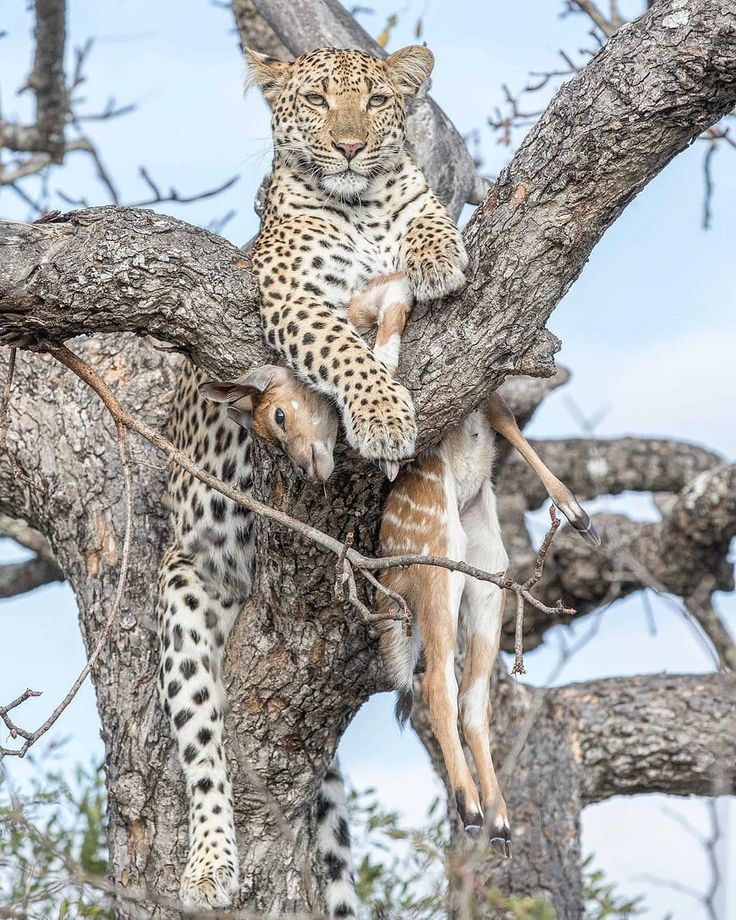
Instead of moving on after the first photograph, take time to observe. A change in posture, a response within a group or a sudden pause can turn a sighting into a deeper understanding of the moment.
Tell your guide if patient observation is a priority.
Birds & smaller discoveries
Leave space for the quieter discoveries: birds, tracks and the details of the landscape. Ask questions and let your interests extend beyond the most familiar safari animals.
Bring binoculars if you have them, and share any particular interests.
Safari photography
Think about light, distance and the landscape around your subject. A wider scene or an unhurried sequence can tell a different story from a single close-up.
Discuss equipment, baggage and vehicle preferences before booking.
An optional perspective
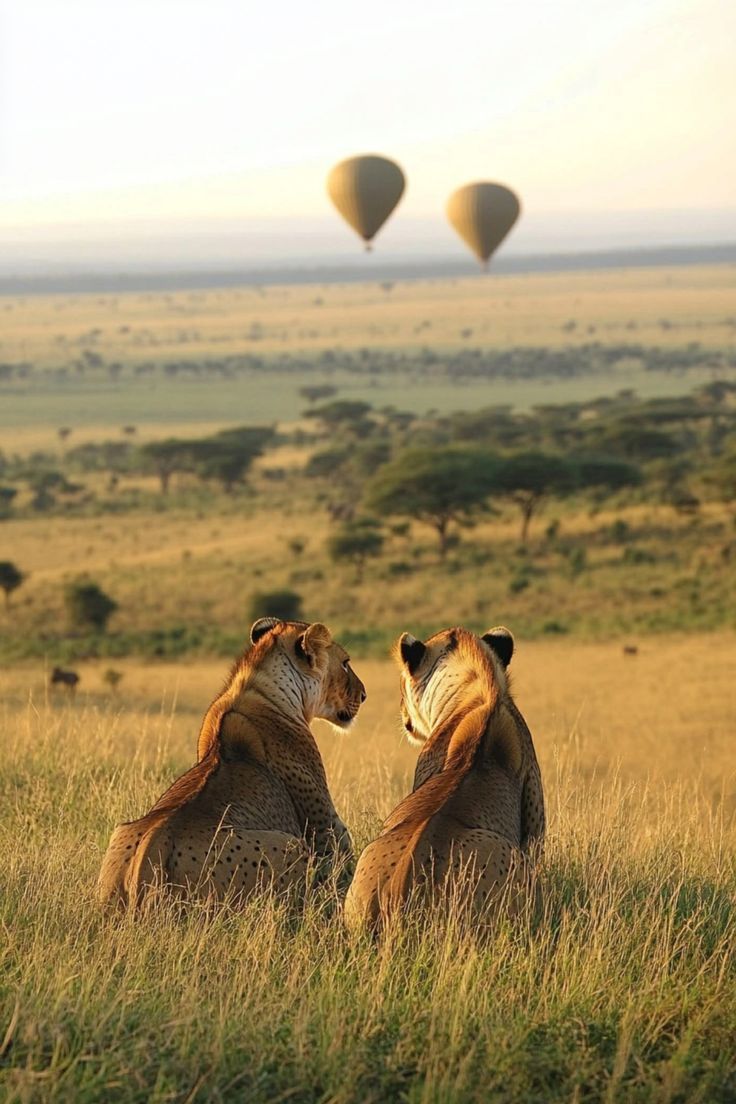
If a balloon safari interests you, mention it during planning so its operating location and timing can be checked against your accommodation and route.
This is an optional, separately priced experience unless expressly included. Availability, weather and operator requirements apply.
Let wildlife set the distance
Follow your guide’s instructions, keep noise low and allow animals space. Remain in the vehicle unless your guide confirms an authorised place to step out. A photograph should never depend on disturbing wildlife.
Continue your planning
serengeti in pictures
A collection of perspectives from Ngorongoro. Explore the photographs, then let’s shape a journey around the experiences that interest you.
Select a photograph to open the full image.
Share your dates and interests. Let’s turn your inspiration into a personalised Tanzania itinerary.
The Serengeti Great Migration
The migration is a moving story, with more than one chapter worth seeing.
Wildebeest, zebra and other grazing animals move through the wider Serengeti–Mara ecosystem in search of food and water. For your safari, the important question is where to spend your time during the dates you can travel.
Beyond the crossing
Open plains filled with grazing animals. New life on the southern grasslands. Herds gathering, dispersing and moving on.
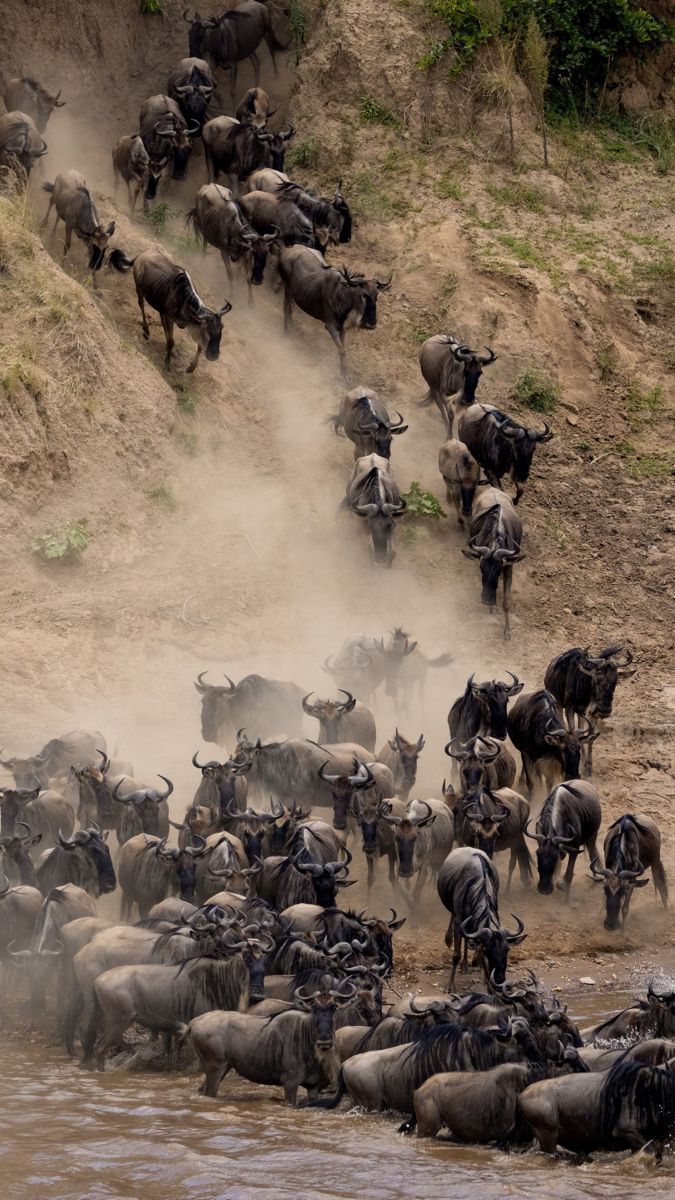
A river crossing may be the image you recognise, but it is one part of a much wider migration experience.
Think about what interests you most: calving-season landscapes, large herds on the plains, or the possibility of river activity. Those priorities help guide the proposed region, camp location and length of stay.
A guide to planning, not a prediction. Seasonal patterns vary with conditions. Herds can spread across different areas, and sightings or crossings cannot be guaranteed.
Migration through the year
These broad windows overlap and can shift. They describe typical patterns, not the current position of the herds.
The southern short-grass plains are associated with the calving chapter of the migration, with February commonly a focal month for calving interest.
What this means for your safari
Discuss accommodation around the southern ecosystem. Confirm whether the proposed camp and activities fall within Serengeti National Park or the Ngorongoro Conservation Area.
As the seasonal pattern develops, herds may move through central areas towards the Western Corridor. Their distribution and pace vary with grazing and rainfall.
What this means for your safari
A suitable base depends on your exact dates. Transfer distances and road conditions matter when combining different parts of the park.
Northern areas are commonly considered for migration journeys with an interest in the Mara River. Herd presence does not mean a crossing will take place during your visit.
What this means for your safari
Consider enough nights for repeated game drives from a suitable northern base. Crossings are unpredictable and may involve long periods of waiting.
The return towards southern grazing areas can create a changing picture across the ecosystem. This transition is particularly dependent on the seasonal rains.
What this means for your safari
Plan around your dates and practical camp options. Avoid treating a single location as a guaranteed migration destination throughout this period.
Turn interest into a route
Understand how the different areas fit together before choosing where to base your stay.
Explore Serengeti regionsConsider the game-drive areas accessible from camp and the time needed for transfers.
Plan where to stayLook at an itinerary that gives you several nights in a suitable area and realistic travel days.
Discover safari itinerariesLet your dates start the conversation
Tell us when you can travel, how many nights you have and what interests you most. We’ll help assess a suitable migration-focused safari.
+255 685 472 211
Where to go in the Serengeti
Where you stay helps shape the Serengeti you experience.
Use the regions below as a starting point for your planning. Your travel dates, wildlife interests and available nights help determine whether to explore from one base or combine locations in a longer journey.
A central safari base
Seronera and the surrounding landscapes
Consider central Serengeti when you want a stay built around varied game drives and time to explore from one base. It is the region used in our sample Tanzania’s Three Icons itinerary and can also form part of a longer Serengeti journey.
A first Serengeti visit, general wildlife viewing and a stay with fewer accommodation changes.
Check the camp’s actual position, the areas accessible on daily drives and how the arrival airstrip connects to your accommodation.
A northern safari focus
Kogatende, the Mara River area and beyond
Northern Serengeti is a region to discuss when your dates and interests point towards the northern chapter of the migration. Plan around a suitable camp rather than assuming that a stay elsewhere in the park offers the same access.
A migration-focused journey with time for repeated game drives in the selected northern area.
Confirm your camp location and flight routing. River crossings are unpredictable; neither a northern stay nor several nights guarantees a crossing.
A western route
The Western Corridor and Grumeti area
The western part of a Serengeti journey deserves its own planning time. If this area is part of your interests, assess the accommodation, access arrangements and onward route together instead of adding it as a quick detour.
A planned western stay or a longer journey that gives each selected area enough time.
Names used for the wider Grumeti area can refer to different locations and management areas. Your proposal should identify the exact property, access and activities.
The southern ecosystem
A cross-boundary landscape
The southern plains and Ndutu are important to discuss for a calving-season interest. Plan this as part of the wider ecosystem, with careful attention to where the selected accommodation and game drives are located.
A southern migration journey shaped around suitable dates and time on the plains.
Ndutu is associated with the Ngorongoro Conservation Area as well as the adjoining southern ecosystem. Do not assume that every camp or activity is inside Serengeti National Park; applicable access fees must be confirmed.
Put time where it matters
A single base reduces packing and camp transfers. It gives you more time to explore the surrounding area, provided the location suits your dates and priorities.
A second base can add variety, but moving takes time. Your route should identify the transfer method, realistic travel day and nights available at each property.
This is an introduction to the main planning areas, not an exhaustive map of the park. Exact camp positions, boundaries, airstrips and access arrangements are confirmed in your proposal.
Not sure where to begin?
Tell us how many nights you have, what you hope to experience and your preferred accommodation budget. We’ll help shape a suitable Serengeti route.
+255 685 472 211
When to visit Serengeti
The most useful question is: what would you like your time here to feel like?
Your wildlife interests, available nights, accommodation preferences and wider travel plans all influence the timing. Begin with those priorities, then choose a region and route that fit.
Wildlife comes first
If your main interest is observing wildlife, give attention to camp location, game-drive arrangements and the number of full days available between transfers.
Explore wildlife experiencesA helpful starting question
Would you prefer longer outings, a slower pace or time focused on photography?
The migration draws you
Use the broad seasonal pattern to begin the conversation, then assess suitable accommodation and connections for your exact travel window.
Read the migration guideA helpful starting question
Are you interested in calving landscapes, large herds or the possibility of river activity?
Your dates are already fixed
Share your available dates before selecting a particular camp or flight. We can assess the route, properties and services that fit your plans.
Consider a safari itineraryA helpful starting question
Are you arriving from Arusha, combining other parks or connecting with Zanzibar?
Beyond the calendar
A suitable travel window also needs practical flights, available accommodation and enough time to enjoy the route.
Conditions can affect travel times and daily plans. Share your comfort with rough roads and longer drives when discussing an overland itinerary.
Check suitable accommodation and transport together before committing to separate bookings. A preferred camp may require a different routing.
Compare complete quotations for your dates, including meals, guiding, access fees and flights. The room price alone does not describe the cost of the safari.
Allow space for arrival, road transfers and onward connections. A safari ending at Arusha Airport still needs separate planning if your next flight uses Kilimanjaro International Airport.
How long should you stay?
Arrival and departure times determine how much of each travel day is available for exploration.
Usually leaves one full day between arrival and departure. Best assessed with your flight times, camp location and wider itinerary.
Allows additional full days to explore a selected area and spend longer observing, without automatically adding another camp.
Creates room for deeper exploration or a planned combination of areas, with transfer days clearly accounted for.
These are planning examples rather than fixed requirements. Longer stays provide more opportunities to explore, but do not guarantee specific wildlife encounters.
Fixed dates or room to explore?
Send your preferred month, available nights and the experiences that matter most. If your dates are flexible, include the alternative periods you could consider.
+255 685 472 211
Where to stay in Serengeti
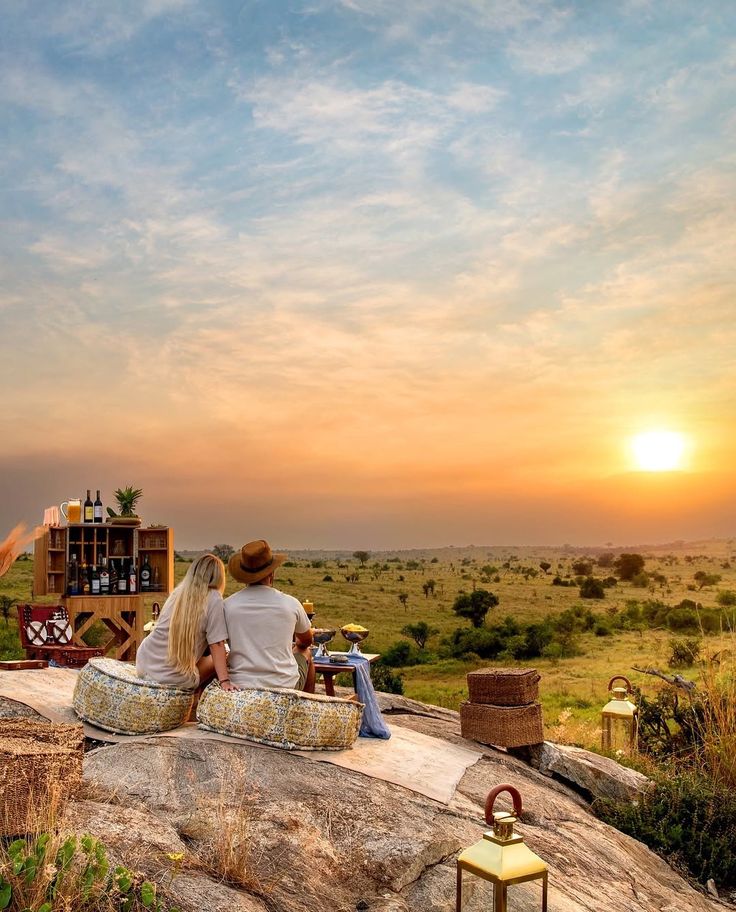
Your accommodation is part of the safari, from the first morning departure to the evening you return.
Begin with the location, then consider the atmosphere, facilities and budget. Your proposal identifies the actual property, room category and services rather than relying on a general accommodation label.
The first decision
Choose a base that supports the experience you are travelling for.
Before comparing photographs of rooms, consider where the property sits within your route. Its position affects your arrival transfer, the areas accessible on game drives and the time needed to reach your next destination.
Discuss the proposed region for your dates before choosing a camp. Accommodation does not guarantee access to the herds or a crossing.
Review the migration guideBalance time exploring from camp with the practical distances between the areas you would like to include.
Explore the safari regionsFind your preferred style
Facilities are confirmed property by property.A canvas setting
If sleeping under canvas appeals to you, ask about a tented camp that fits your route. Consider the room layout, bathroom arrangements and the distance between your tent and shared areas.
Before you choose
Confirm bathroom facilities, electricity, access paths and any arrangements important to your comfort.
A lodge setting
If you prefer a lodge, compare the specific property and room category alongside its location. A lodge label alone does not establish the facilities, accessibility or level of service.
Before you choose
Confirm room configuration, meal plan and any requested facilities before selecting the property.
A seasonal location
Where a seasonal camp is proposed, check where it operates during your dates and how it connects with the planned game-drive area. Its confirmed position matters more than its name.
Before you choose
Confirm operating dates, camp location and transfer arrangements. Seasonal does not mean relocating daily with the herds.
Comfort is personal
Share specific requirements early so they can be checked with the proposed properties before booking.
Tell us your group size, children’s ages, bed preferences and whether you need separate or family accommodation.
Mention steps, walking distances or other access considerations. The route between rooms, dining areas and vehicles should be checked.
Share allergies and dietary requirements so suitable arrangements can be confirmed with each selected property.
If charging camera equipment or accessing the internet matters to your stay, ask about availability and operating hours.
Compare the complete stay
Check which meals, drinks, game drives, guiding services, transfers and access fees are included. Also confirm whether safari activities use a private or shared vehicle.
Your final quotation should identify the named property, room category, number of nights, included services and applicable booking terms.
Find your Serengeti base
Send your dates, preferred accommodation budget and the comforts that matter most. We’ll help assess options that fit your safari route.