Understand your options
Choose the route
Compare the daily itinerary, overnight locations and practical demands. The route name is the beginning of the comparison, not the whole decision.
Compare trekking routes
Let us help you create an unforgettable Tanzania experience.
Plan Your Trip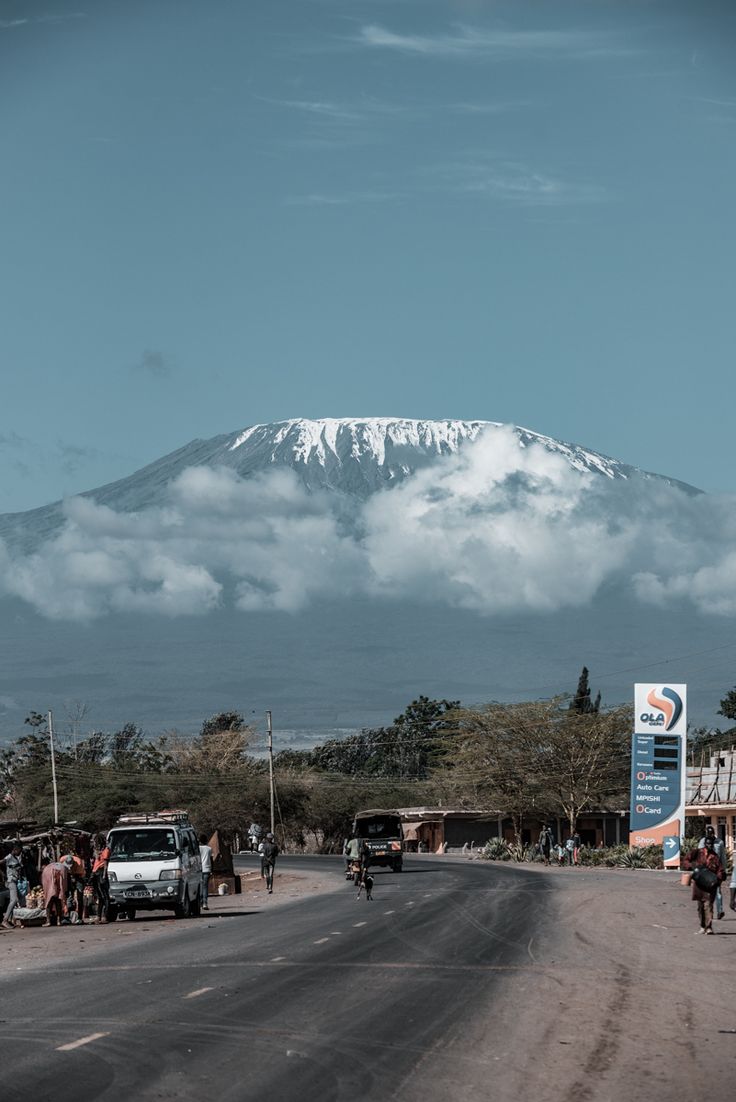
Discover Tanzania with Genau Guides
A mountain to prepare for. A journey to remember.
Turn the idea of a Kilimanjaro trek into a considered plan. Explore route choices, understand the daily journey and allow time for preparation, with arrangements shaped around your experience and available days.
Start with your dates, walking experience and the time you can give the mountain.
Begin your preparation
Meet Mount Kilimanjaro
The anticipation before departure. The rhythm of walking. A conversation along the trail. Kilimanjaro becomes a journey through the days you give it.
Start by considering the whole experience: the route, daily walking, overnight arrangements and preparation before you arrive. A mountain itinerary should help you understand what each day asks of you, rather than simply list the camps.
Share your walking experience, available time and expectations. These details help guide a useful conversation about route choices, the pace of the journey and the arrangements included in your proposal.
Explore trekking routes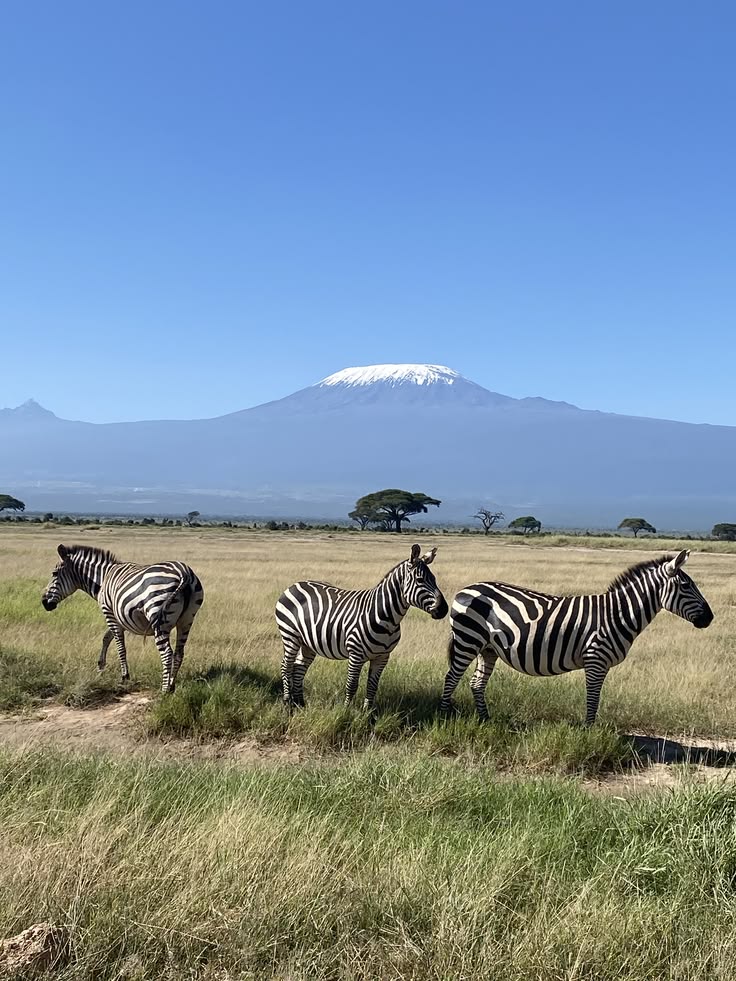 Mount Kilimanjaro · Tanzania
Give attention to the journey
Prepare thoughtfully. Walk with patience. Stay open to the experience.
Shape your mountain journey
Begin with the complete plan.Understand your options
Compare the daily itinerary, overnight locations and practical demands. The route name is the beginning of the comparison, not the whole decision.
Compare trekking routesPicture each day
Understand how walking days, meals, camp arrangements and the mountain team fit together. Ask what is provided and what you need to bring.
Explore life on the mountainBegin before you arrive
Discuss your experience, equipment and available preparation time. Use the planning process to identify questions and requirements before committing.
Plan your preparationYour starting point matters
Share your preferred dates, group size, previous walking experience and total time available in Tanzania. We’ll help you explore itinerary options and the questions to consider next.
Kilimanjaro trekking routes
Compare the journey, not simply the route name.
Look at the daily stages, overnight locations, terrain and total time on the mountain. Two proposals using the same route name can still describe different experiences.
Consider Machame if you are interested in a tented mountain journey. Compare the actual daily stages and camp sequence rather than selecting a proposal by its total price alone.
Ask when comparing
How are the walking days divided, and what terrain should I expect at each stage?
Request a day-by-day plan showing camps, walking estimates, ascent, descent and the summit-attempt schedule.
Lemosho is an option to discuss when comparing a western approach and a camping-based trek. Review how the chosen itinerary develops from the starting point to the higher camps.
Ask when comparing
What does the proposed number of days change about the daily schedule?
Confirm the entry arrangements, camp sequence and whether arrival and hotel nights are separate from mountain days.
Marangu offers an alternative for travellers who prefer mountain huts to tent accommodation. Understand the sleeping arrangements and facilities before deciding whether this setting suits you.
Ask when comparing
What are the hut arrangements, and which facilities and equipment are provided?
Hut accommodation does not make the mountain easy. Compare the full daily itinerary and do not assume a private room.
Rongai provides a northern approach to consider alongside your other options. Review the transfer to the start, overnight stages and the complete ascent and descent itinerary.
Ask when comparing
How does this route fit my available days and preferred overnight arrangements?
Confirm the starting point, camp sequence, descent route and transfers included in the written proposal.
Read between the route names
Ask for a complete daily plan before choosing your mountain journey.
Separate days trekking from airport transfers, hotel nights, briefings and time after the descent.
Review where you walk and sleep each day, including the proposed approach to acclimatisation.
Ask about steep ground, uneven trails, exposed sections and the demands of the summit-attempt day.
Confirm team arrangements, included equipment, meals, communications and emergency procedures.
Understand who you will trek with, the group arrangements and how decisions are handled during the journey.
Check park fees, transfers, equipment hire, hotel nights, exclusions and applicable booking terms.
Put the route into context
Your choice also depends on how you feel about camping, daily walking and preparation. Explore those details alongside the route comparison before requesting a final proposal.
Not sure which route to consider?
Share your dates, previous walking experience, group size and preference for huts or camping. We’ll help you explore suitable itinerary options.
+255 685 472 211
Life on Kilimanjaro
The journey is made of daily routines as much as distant goals.
Preparing your daypack. Sharing a meal. Settling into your overnight stop. Understanding these practical details helps you picture the experience before you arrive.
A day on the trail
Daily timings vary with the route, conditions and the mountain team’s decisions. Your itinerary provides the planned framework.
Follow the agreed breakfast and departure arrangements. Pack the items you need during the walk and confirm the day’s plan with your guide.
Follow instructions on pace, breaks and the route. Communicate how you feel throughout the day rather than waiting until the next overnight stop.
At the planned overnight stop, organise your belongings and follow the team’s arrangements for meals, briefings and rest.
Discuss the next stage, prepare your equipment and ask questions about anything unclear. Departure times and plans may change.
What stays with you
Ask for a clear packing list identifying what you carry during the walk and what, if anything, is transported separately by the team.
Check before departure
Confirm baggage limits and keep personal essentials needed during the day accessible.
Meals along the way
Review the proposed meal arrangements, drinking-water provision and how lunch works on different trekking days.
Check before departure
Share allergies and dietary requirements before booking so arrangements can be checked.
Your overnight routine
Understand your sleeping arrangement, the equipment provided and the facilities available at each overnight stop.
Check before departure
Confirm sleeping bags, mats, tent occupancy, hut arrangements and toilet facilities.
The people beside you
Know who is responsible for guiding, camp arrangements and communication throughout your trek.
Confirm the guiding arrangements, briefing process and how you can raise questions or concerns during the journey.
Understand whether your departure is private or shared, how the pace is managed and what happens if someone needs to leave the trek.
Ask what communication equipment and emergency arrangements are provided, including how assistance or evacuation is coordinated.
Ask about crew working arrangements, baggage limits and the tipping guidance provided before departure.
The summit-attempt stage
Review the planned departure, walking demands, descent and next overnight stop. Ask how decisions to continue, turn around or descend are made, and what arrangements apply if your trek ends earlier than planned.
A summit attempt remains conditional on your wellbeing, conditions and the mountain team’s assessment. Reaching the top is never a guaranteed part of the booking.
Be considerate along the trail. Follow your guide’s instructions and applicable park rules, use designated facilities and keep personal litter secure. Ask before photographing team members and respect shared spaces.
Picture your mountain days
Whether you are comparing camping arrangements, group departures or daily walking plans, let’s clarify the details before you choose your trek.
Preparing for Kilimanjaro
Preparation makes the experience easier to picture and the practical details easier to manage.
Give attention to your walking experience, equipment, itinerary and personal requirements. Start early enough to ask questions, test your kit and address anything unfamiliar.
Build familiarity
Use walks suited to your current ability to become more familiar with sustained time on your feet. Practise on varied ground where appropriate, including descents as well as uphill sections.
Discuss a suitable training approach with a qualified professional if you are new to exercise, returning after injury or managing a health condition.
Know your equipment
Wear your trekking footwear and practise with the daypack you expect to carry. Check how your clothing layers, waterproofs and equipment work together before departure.
Avoid discovering poorly fitting boots or unfamiliar equipment on the first mountain day.
Understand the commitment
Review the camp sequence, walking estimates and ascent and descent stages. Include the summit-attempt schedule and the journey down when considering the demands.
Ask for clarification wherever the daily plan is unclear. A route name alone does not describe the experience.
Understand altitude
Being fit does not protect you from altitude illness. Your ascent profile deserves careful consideration.
Ask about overnight elevations and time allowed for acclimatisation. Gradual ascent helps reduce risk; an itinerary’s total number of days does not tell the whole story.
Discuss the actual itinerary with a clinician familiar with altitude travel, particularly if you have existing conditions or previous altitude illness. Discuss any medication with that clinician.
Report symptoms such as headache, nausea, dizziness or unusual fatigue promptly. Do not continue ascending with symptoms of altitude illness. Worsening symptoms require descent and assessment.
Confusion, loss of coordination or breathlessness at rest are emergencies: alert the team immediately for urgent descent and medical assistance.
Pack from a confirmed list
Use a route-specific equipment list supplied for your departure. The categories here are a starting point, not a complete packing checklist.
Confirm the required layering system, warm clothing, waterproof protection, gloves and headwear for the proposed trek.
Check suitable boots, socks, daypack and any trekking-pole requirements. Test fit and comfort before travelling.
Confirm sleeping-bag specifications, mats and what is supplied or available to hire. Do not assume these are included.
Check the requirements for a headlamp, spare power, drinking containers, sun protection and personal hygiene items.
Confirm equipment-hire availability, condition, sizing and cost in advance. Also check luggage limits and arrangements for belongings left behind during the trek.
Before you leave home
Confirm the arrival hotel, airport transfer, briefing and equipment-check time. Allow a practical buffer before the trek begins.
Check directly with your insurer that the exact trek and maximum altitude are covered, including applicable emergency medical and evacuation arrangements.
Share dietary, mobility and other operational needs. Provide relevant health information through the operator’s agreed private process.
Confirm the transfer, accommodation and onward travel. Understand the arrangements and possible costs if the trek finishes earlier than planned.
Make preparation part of the plan
Tell us your travel dates, walking experience and the time you have available. We’ll help clarify itinerary options, equipment arrangements and practical next steps.
Your mountain journey starts here
Bring your questions, your preferred dates and the experience you hope to have. We’ll help you compare the options and understand the details before choosing your Kilimanjaro trek.
Talk Kilimanjaro with us
Send your travel dates, group size, walking experience and available days. Tell us if you already have a route in mind.
Plan on WhatsApp — opens in a new tab+255 685 472 211
Thinking about a safari or island stay alongside your trek?
Explore more of Tanzania